The Gut-Brain Connection: How your digestion affects your mood
You know how when you get nervous about something and you get "butterflies" in your stomach? This is the easiest way of understanding the gut-brain connection, because most people have experienced this feeling at some time in their life. Your brain understands that you are nervous and is sending signals to your belly and giving you that sensation of butterflies in your stomach. This happens through what is known as the Vagus nerve. It is a long nerve that travels from your brain down to your digestive tract. Our brain talks to our gut through this nerve and our gut talks back. It is a two way street.

The gut has its own nervous system called the Enteric Nervous System which includes neurons throughout the GI tract that can send messages back and forth to the brain. These can all affect immune response, blood flow, and absorption of nutrients. We make approximately 90% of our "feel good" chemical, also knowns as Serotonin, via the Enteric Nervous System. Serotonin helps regulate our mood, digestion, and our sleep! It's pretty important in how we feel! Another part of our Nervous System is what we call the Autonomic Nervous System. Maybe you have heard of "rest and digest" (which is the parasympathetic nervous system) and "fight or flight" (which is the sympathetic nervous system). The two of these make up what is known as the Autonomic nervous system.The Enteric Nervous System and the Autonomic Nervous System also talk to each other through the Vagus Nerve (remember butterflies in the stomach?)
When we think about digestion, digestion actually begins in the brain. We can have thoughts

that we are hungry and our brain begins making digestive enzymes so that we can break down the food that we eat. When we are in a relaxed state and ready to eat, our brain tells our gut this. We can also help this along by deep breathing, removing distractions while sitting down to eat, humming, singing, meditation, and praying. This tells our body we are in the "rest and digest" mode and our gut functions appropriately to help digest and absorb nutrients from our foods. One simple tactic that I have started practicing is to take 5 deep breaths prior to eating. This helps set up the nervous system and therefore the gut to do it's job in digesting our food. Ideally, our body would spend majority of it's time in this state.
The "fight or flight" nervous system (sympathetic) tells our body that we are not in the right place for digestion, but rather feels a sense of threat. This is designed to help us react quickly when needed. If we think about the things that cause us to be in a brief period of "fight or flight" - when we need to react quickly - it should be something that is momentary and then we are able to go back to our resting state, like an emergent situation. Most refer to the analogy of being chased by a tiger. This is something that causes us to react quickly and then it's over. It is not something we should be living in all of the time. Unfortunately, when we think of our modern lifestyles, we are spending a lot more time in this state than we should, which can affect our gut health, and overall state of health. Maybe you are wondering how does this affect my gut health? Well, think about being stressed for time because you have a meeting to attend and have to hurriedly shove some food down before your meeting starts. You are not in a resting state and your body was not prepared for this digestion but here you are throwing some food at it and hoping it does its job. But you are stressed about time, so your heart rate increases, your digestion slows down, and your sympathetic nervous system is activated because of the stress. Now, imagine doing this every day. Eventually, our gut health will be affected by this because it was not designed to work this way. It needs all of the pieces working together to function properly. Pick any scenario that applies to you and your lifestyle, but you get the idea. We have to slow down so that we can function properly. If we start out our meals in a relaxed states, our guts will thank us.

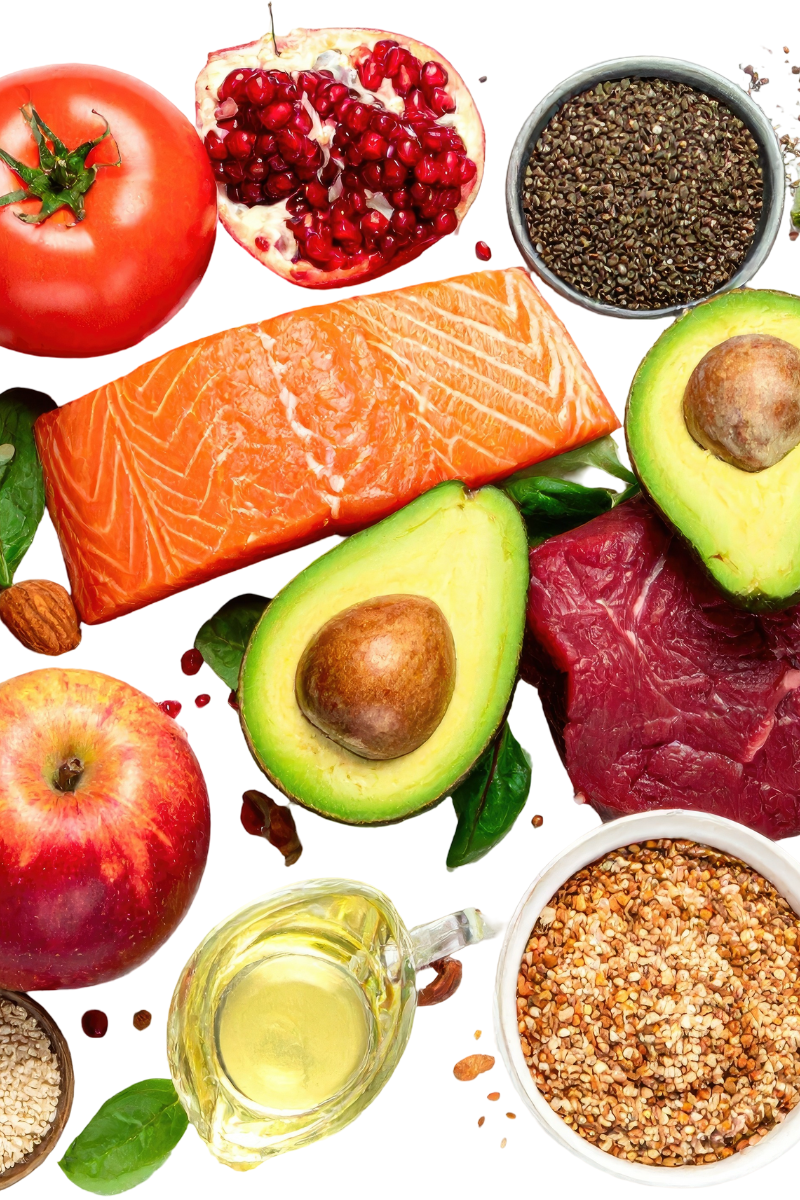
Now that you (hopefully) have a basic grasp on the nervous systems that communicate and help us with our moods, let's discuss how gut health impacts some of our moods. Our gut includes what we call the microbiome. This is an entire ecosystem of microorganisms that work together to help digest food, fight off infections and keep things running smoothly for us. This includes bacteria, viruses, and fungi. When some of these organisms become "overgrown" or out- numbered, or there is just not enough of the "good" guys, it sends signals to our brain and we can experience symptoms. Sometimes we need more specific nutrients to help them function better, and other times we need to decrease our intake of something that is causing these organisms to not function as efficiently (such as sugar). Many times, people that experience anxiety actually have a lack of nutrients, such as Magnesium, that the body needs to be in an optimal, balanced, well-working state. The best thing we can do to support our microbiome is to eat real, whole foods in plentiful. This means foods without labels, but rather fruit, vegetables, meat, eggs, nuts, and seeds. If we eat a great variety, this is how we "feed" our microorganisms of our gut microbiome. If these organisms are fed well and given the proper nutrients, they can work together to get rid of the things we don't need, absorb what we do need, and make more of what keeps us happy.
We need balance to feel optimal. When we feed our bodies certain things, we can experience inflammation in our gut which can impact how we feel and the function of our digestive tract. When things are inflamed they are not functioning optimally. This, in turn, means that we cannot produce the the hormones we need to focus and feel happy. We can feel sluggish or tired. This can also affect other systems because nothing in our bodies work and functions independently! There are lots of moving pieces working together inside of us without us even acknowledging all that is going on. Between our resting and digesting state, our fight or flight state, and our gut microbiome constantly feeding on the good or the bad, hopefully we can learn to appreciate all that our body is doing to help us on a regular basis and treat it with kindness.

If you feel like you need additional help with your gut microbiome or are experiencing symptoms and not quite sure what your gut is telling you - I am a functional gut health nurse that works 1:1 with my clients to help get them to a state of healing and optimal health. I offer free discovery calls if you just want to feel it out and see if this is something that would work for you. Happy digesting!



Comments