Probiotics vs Prebiotics: What's the difference and what do you actually need?
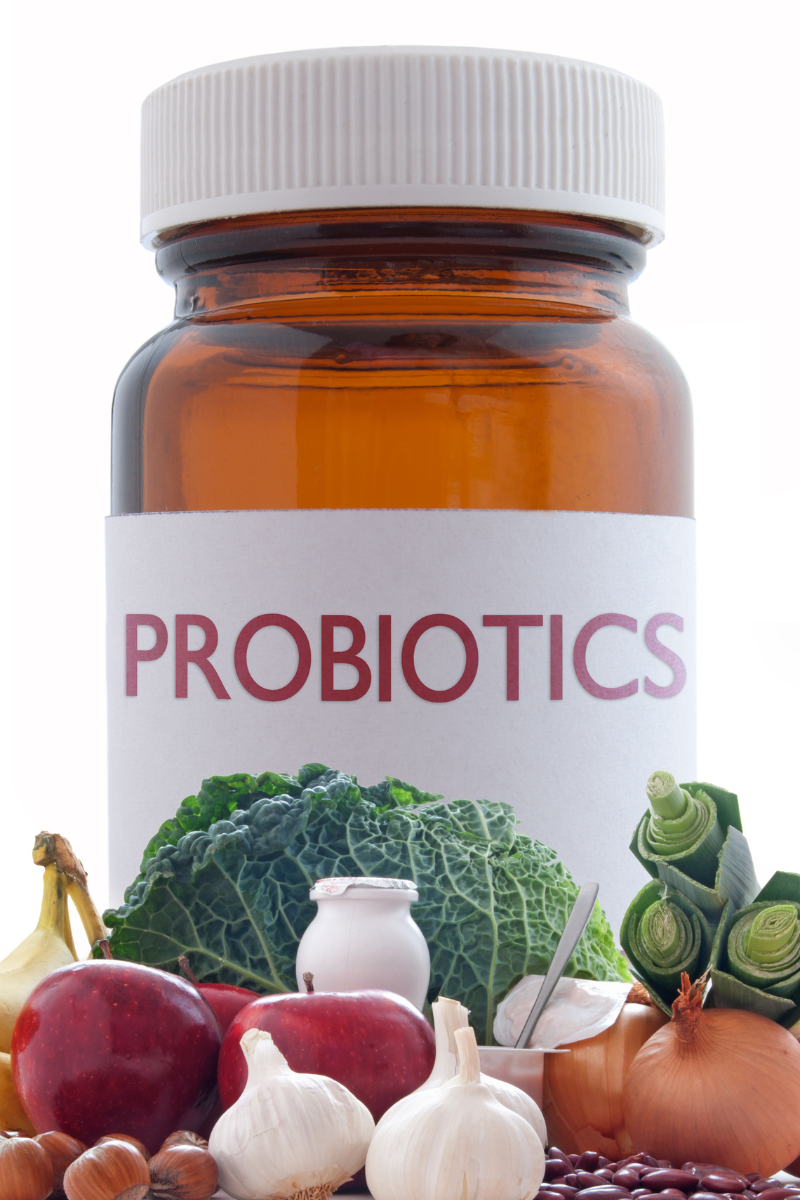
Probiotics are something we commonly think of when we think of yogurt or kefir and supporting our gut health. But there is so much more to it! And then there prebiotics that have been gaining more attention lately as well. What does all of this mean and should you be supplementing? Let's first dive in to the gut microbiome so we can understand this topic a little better.
The gut microbiome is an ecosystem of trillions of microorganisms that live and work together in our gut. This is comprised of bacteria, fungi, viruses, and parasites. Some of these are considered "commensal" meaning they live there normally and work harmoniously for our health. They are meant to be there. Some of these are not supposed to live there but can be detected with functional stool testing and can cause health problems. The gut microbiome has an effect on all of our bodily systems. If there are imbalances in this special ecosystem we can see disturbances that trickle down into the immune system, nervous system, cardiovascular system and more. It can affect autoimmune disorders, hormone imbalances, and even chronic pain disorders known as fibromyalgia. We have not given our gut microbiome enough attention over the years and the research is showing us how important it is. I will link a few articles if your interested in reading more on this topic > HERE < and > HERE <

Imbalances in the gut microbiome are referred to as dysbiosis. This can be "not enough good guys" or "too many bad guys". Our body thrives on homeostasis and balance even down to the microscopic levels. If there is an imbalance it will affect the system as a whole and in turn affect other systems because they are all connected! Some items that can cause dysbiosis include a Standard American Diet, aka, a lack of healthy nutrients and over abundance of inflammatory foods. But also include stress, medications - especially antibiotics, infections, poor digestive function, toxins, and more! Everyone's root cause to this is unique and each person can experience different symptoms.
Because each person is unique in their root causes of this, each "protocol" in treating dysbiosis is also unique. This is why it is so important to work with a practitioner that can help you do a deep dive into this and discover your own unique root causes. Listening to your symptoms that you are experiencing paired with your history, diet, and lifestyle, they can determine if you need to obtain gut health testing.
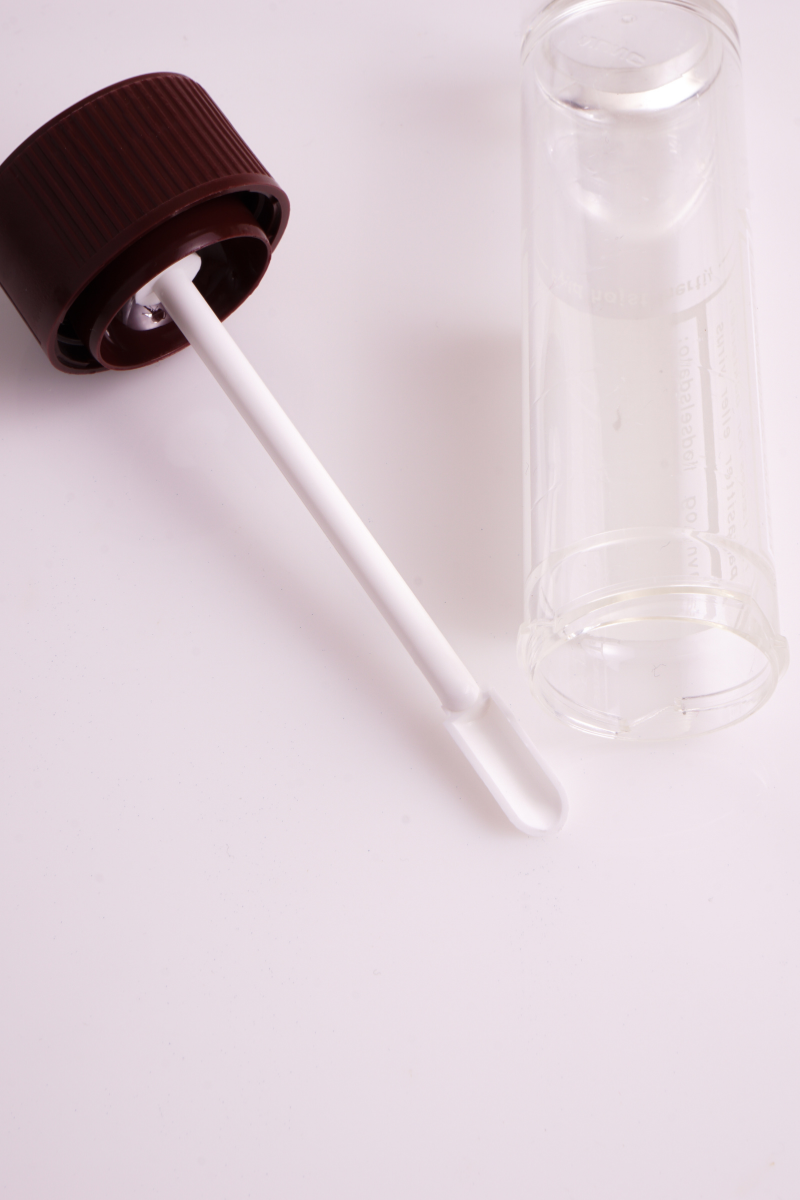
Gut health testing will help determine if probiotics, prebiotics, or postbiotics should be utilized to help balance out the microbiome. There are varying species of these as well.
Probiotics, as we mentioned previously, are live microorganisms that live in things such as yogurt or kefir. They can also be found in fermented foods such as sauerkraut, pickled foods, green olives, sourdough bread, miso, kimchi, and kombucha.
Although these have many health benefits of balancing out the microbiome, some of these foods can cause gastrointestinal distubances in people with existing symptoms. This can be frustrating as eating a "health" food should help one feel better, and when they don't, it can cause confusion. This would be a reason to seek additonal advice and comprehensive stool testing. We should not be reacting to foods in this manner and it's not something you necessarily want to just throw a probiotic supplement at without understanding the why behind the symptoms.

A good time to supplement with probiotics might be after taking a round of antibiotics, before or after a colonoscopy, or if functional stool testing was performed and your practitioner recommends it. As previously mentioned, our bodies thrive in homeostasis or balance. If our gut microorganisms are out of balance such as after taking antibiotics, it is generally well tolerated to supplement with oral probiotics for 2-4 weeks. Antibiotics have a wonderful place in medicine when needed. Unfortunately, they do wipe out that good gut flora in addition to the bacteria that they were prescribed for. In order to restore balance, supplementation is generally recommended. Another general reason to consider supplementing would be before or after a colonoscopy. A colonoscopy is a procedure performed to inspect the bowels for polyps, or growths, that can potentially turn cancerous, and to rule out colorectal cancer. In order to do so effectively, the bowels need to be "cleaned out". This is a medication induced evacuation of the bowels and can interfere with the gut lining as well as the microbiota. Preparing the body in advance with probiotics helps the patient tolerate the "clean out" process a little easier and can help set them up for easier restoration of balance afterwards. Obviously after the procedure, taking probiotics for 2-4 weeks while the body works to restore the normal gut flora balance can be beneficial for most people.
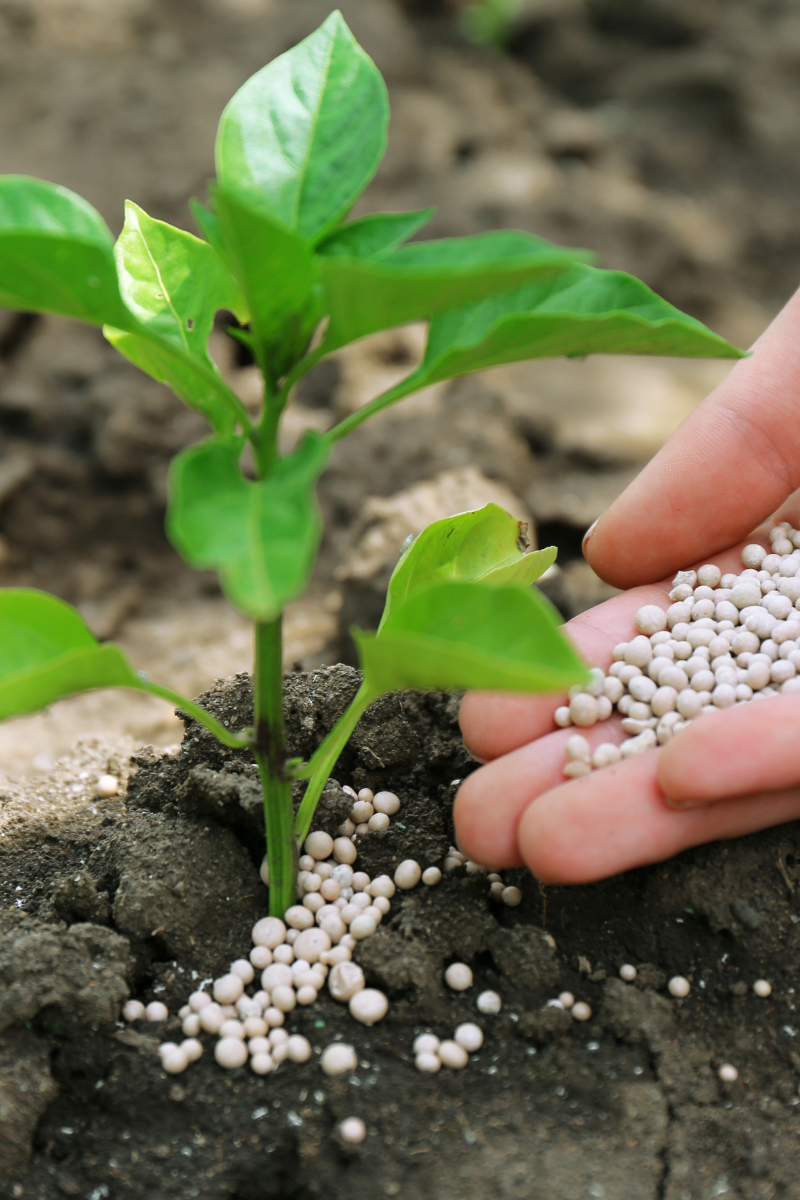
So what are prebiotics? Prebiotics are what feed the probiotic microorganisms, or "fertilize" them. These are plant fibers found in the foods that we eat such as bananas, asparagus, leeks, garlic, onions, and legumes. If our microorganisms that break down our food are "fertilized" well, they will function better for us, keeping down inflammation and regulating our immune system. These are very important for good gut health.

This is all meant to educate and support you in your gut health journey and should not be taken as medical advice. If you are battling with digestive health concerns and need additional support or education on taking a functional approach to your gut health, I offer 1:1 consultations with clients. If you are curious what it's like to work with a functional gut health nurse, I also have free discovery calls - nothing salesy here - just a conversation about you and how I can support you! Click HERE if you're interested! Until next time, I a am rooting for your health - one bite at a time.
-Stephanie aka Food First Nurse


Comments